Innovative Electrical Solutions for Modern Businesses
In today's rapidly evolving landscape, businesses face numerous challenges, especially when it comes to energy consumption and efficiency. The demand for innovative electrical solutions has never been greater. Companies are not only looking to reduce costs but also to enhance their sustainability efforts. This blog post explores various innovative electrical solutions that can help modern businesses thrive while addressing their energy needs.

Understanding the Need for Innovative Electrical Solutions
The modern business environment is characterized by a few key trends:
Rising Energy Costs: Energy prices are on the rise, making it essential for businesses to find ways to reduce consumption.
Sustainability Goals: Many companies are committing to sustainability, aiming to reduce their carbon footprint and promote eco-friendly practices.
Technological Advancements: New technologies are emerging that can help businesses manage their energy use more effectively.
These factors highlight the importance of adopting innovative electrical solutions that not only meet current demands but also prepare businesses for future challenges.
Energy Efficiency Solutions
Smart Lighting Systems
One of the simplest yet most effective ways to improve energy efficiency is through smart lighting systems. These systems use sensors and timers to adjust lighting based on occupancy and natural light levels. For example, a retail store can reduce lighting in areas that are not frequently visited, saving energy without compromising the shopping experience.
Energy Management Systems (EMS)
An Energy Management System provides businesses with real-time data on their energy consumption. By analyzing this data, companies can identify patterns and areas for improvement. For instance, a manufacturing facility can use EMS to monitor machine usage and optimize energy consumption during peak hours.
High-Efficiency HVAC Systems
Heating, ventilation, and air conditioning (HVAC) systems are significant energy consumers in commercial buildings. Upgrading to high-efficiency HVAC systems can lead to substantial energy savings. These systems often include features like variable speed drives and advanced controls that adjust operation based on real-time conditions.
Renewable Energy Options
Solar Energy
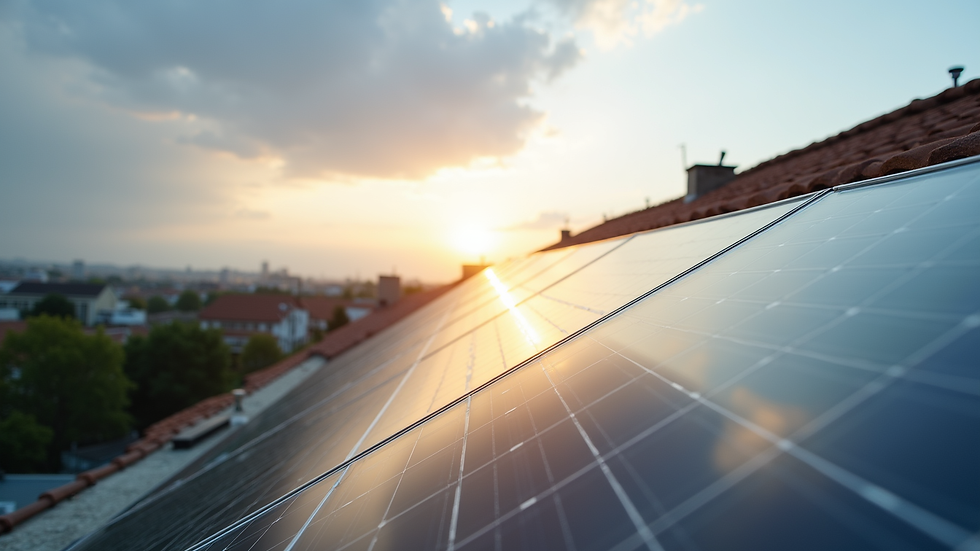
Solar panels have become a popular choice for businesses looking to harness renewable energy. Installing solar panels can significantly reduce electricity bills and provide a reliable energy source. For example, a warehouse that installs solar panels can generate enough energy to power its operations during the day, reducing reliance on the grid.
Wind Energy
For businesses located in areas with consistent wind patterns, wind turbines can be an effective solution. Small-scale wind turbines can generate electricity for on-site use, further decreasing energy costs. Companies like IKEA have successfully integrated wind energy into their operations, showcasing the potential for businesses to become energy independent.
Energy Storage Systems
Energy storage systems, such as batteries, allow businesses to store excess energy generated from renewable sources. This stored energy can be used during peak demand times or when renewable sources are not producing energy. For instance, a company with solar panels can store energy during sunny days and use it during the night, maximizing efficiency.
Innovative Electrical Technologies
IoT Integration
The Internet of Things (IoT) is revolutionizing how businesses manage their energy consumption. Smart devices can communicate with each other to optimize energy use. For example, a smart thermostat can adjust heating and cooling based on occupancy data from smart sensors, leading to significant energy savings.
Electric Vehicle (EV) Charging Stations
As electric vehicles become more popular, businesses can benefit from installing EV charging stations. Not only does this support employees and customers who drive electric cars, but it can also serve as a marketing tool. Companies that offer charging stations demonstrate their commitment to sustainability and innovation.
Advanced Metering Infrastructure (AMI)
AMI allows businesses to monitor their energy usage in real-time, providing insights that can lead to better energy management. With advanced metering, companies can identify peak usage times and adjust their operations accordingly. This technology can help businesses save money and reduce their environmental impact.
Case Studies of Successful Implementation
Case Study: A Retail Chain's Energy Transformation
A national retail chain implemented smart lighting and an energy management system across its stores. By using sensors to control lighting and monitor energy usage, the company reduced its energy consumption by 30%. This not only lowered costs but also enhanced the shopping experience by creating a more comfortable environment.
Case Study: A Manufacturing Facility's Renewable Shift
A manufacturing facility invested in solar panels and energy storage systems. By generating its own electricity and storing excess energy, the facility reduced its reliance on the grid by 50%. This shift not only cut costs but also positioned the company as a leader in sustainability within its industry.
The Future of Electrical Solutions
As technology continues to advance, the future of electrical solutions looks promising. Businesses that embrace these innovations will not only improve their bottom line but also contribute to a more sustainable future. Here are some trends to watch:
Increased Adoption of Smart Technologies: More businesses will integrate smart technologies into their operations, leading to greater efficiency and cost savings.
Growth of Renewable Energy: The shift towards renewable energy sources will accelerate, with more businesses investing in solar, wind, and other sustainable options.
Enhanced Energy Storage Solutions: As battery technology improves, energy storage will become more accessible and affordable for businesses.
Conclusion
Innovative electrical solutions are essential for modern businesses looking to thrive in a competitive landscape. By adopting energy-efficient technologies, exploring renewable energy options, and leveraging smart systems, companies can reduce costs and enhance their sustainability efforts. The future is bright for businesses that embrace these innovations, paving the way for a more energy-efficient and sustainable world.
As you consider your own business's energy needs, take the time to explore these innovative solutions. The benefits are clear: reduced costs, improved efficiency, and a positive impact on the environment. Start your journey towards a more sustainable future today.

Comments